Super Wi-Fi

Connectivity where cellular fails

Long-range industrial connectivity for mines, farms, refineries and remote sites, carrying robot control, sensor backhaul and human oversight on one link.

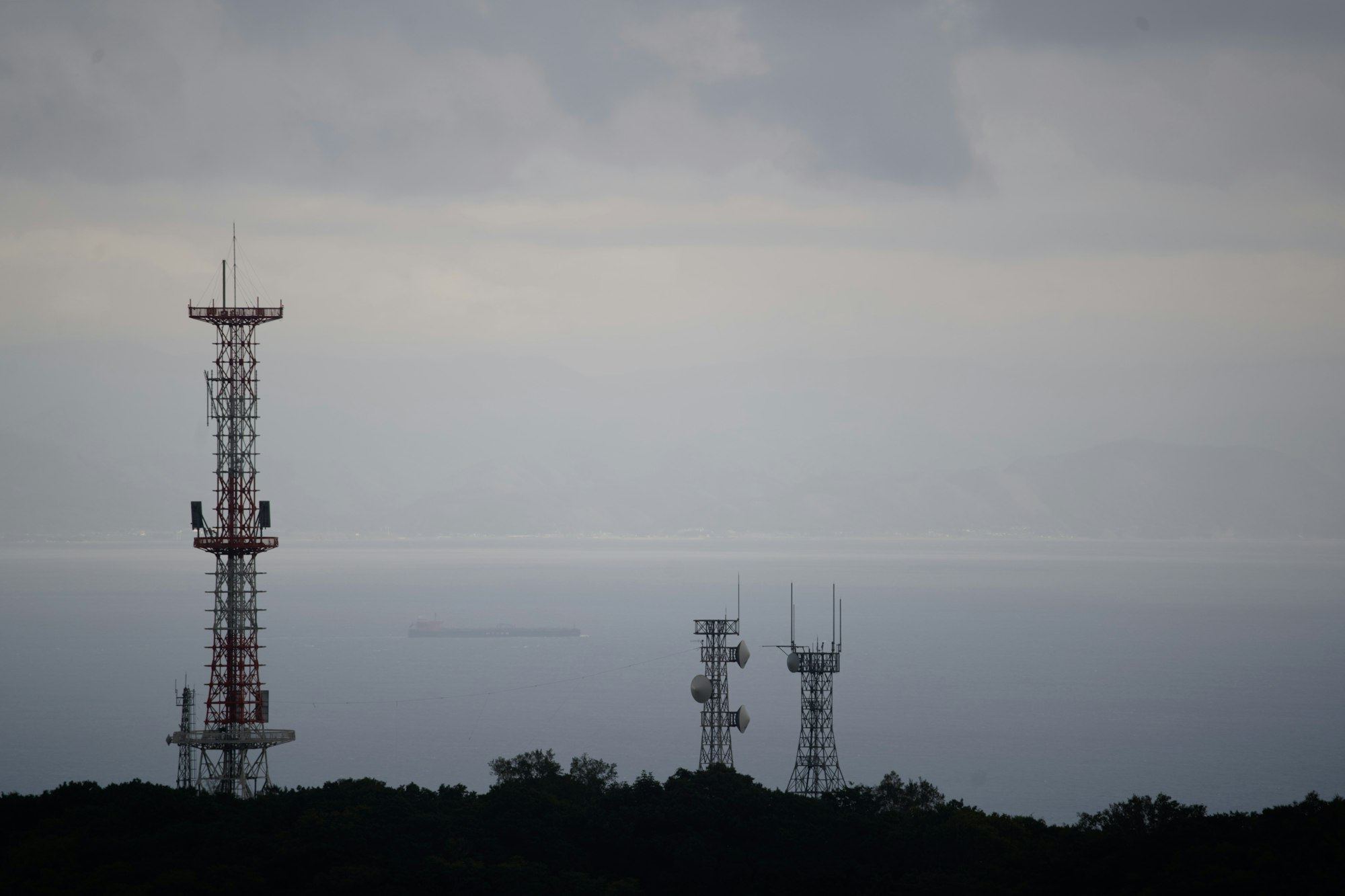
Communication towers on a forested ridge above the sea
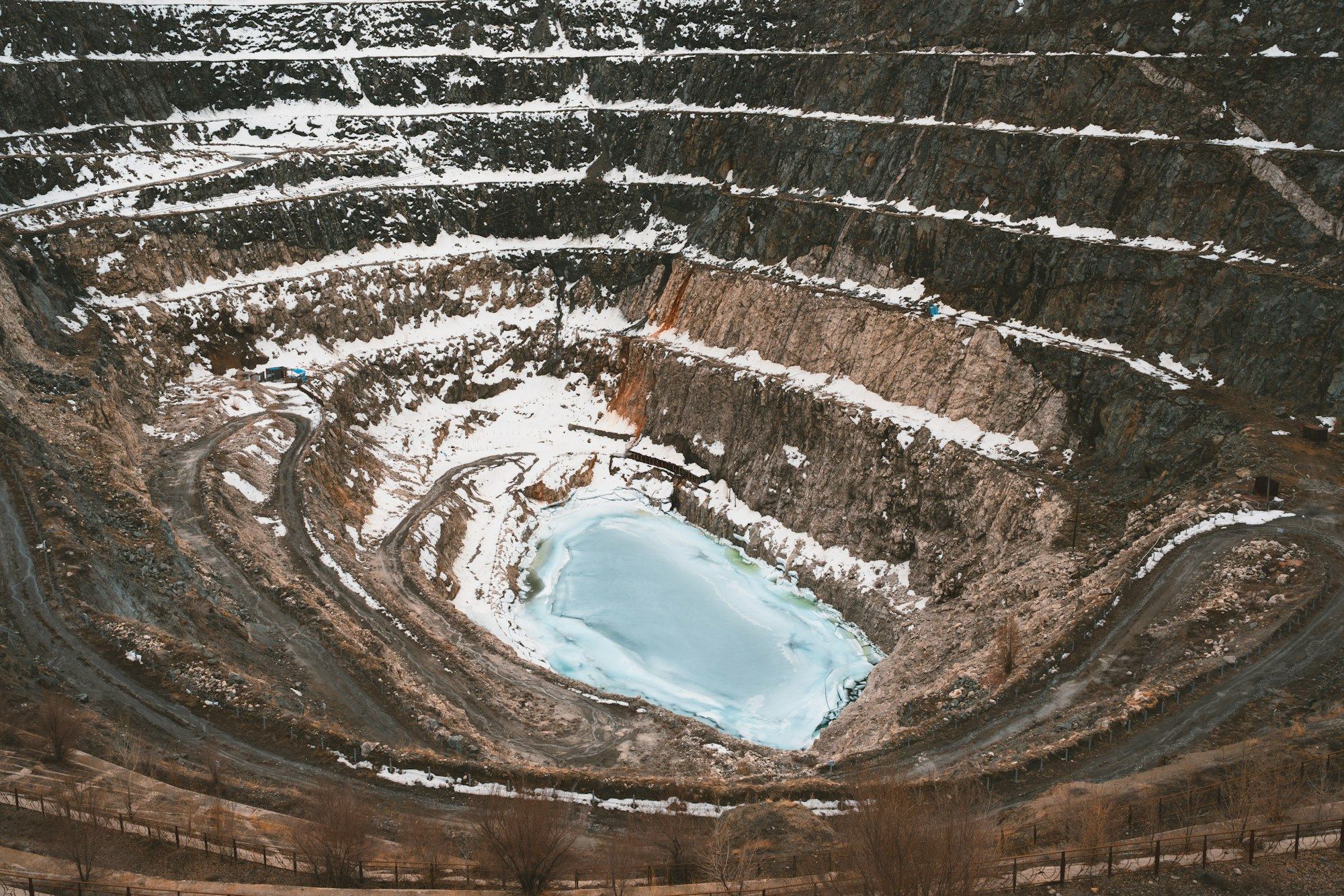
Aerial view of a large open-pit mine

Resilient connectivity

One backbone for everything

Built for the places where cellular and wired networks give out: open terrain, pit walls and plant steel.

  • Kilometres of reach. Low-latency links hold across kilometres of open terrain, pit walls and plant steel.
  • Adaptive routing. The network re-routes around interference and obstructions on its own, without a technician in the loop.
  • One backbone for everything. Robot control, sensor backhaul and human oversight ride the same link, beyond the reach of cellular or cable.
  • Luneburg lens
  • Mesh architecture
  • Zero roaming drops

Where it reaches

Built for sites cables never reach

Mines, farms, refineries and remote sites: the places where cellular and wired networks give out.

  • Mine sites

    Links that hold across pit walls and open terrain, where trenching a cable is not an option.

  • Farms & orchards

    Outdoor units on orchard high points, irrigation towers and windbreaks cover whole properties.

  • Refineries & plants

    Low-latency links through plant steel for robot control and sensor backhaul.

  • Barns, packing plants & control rooms

    Indoor units penetrate walls to close the blind spots an outdoor unit alone cannot reach.

The units

Outdoor reach, indoor coverage

High-point outdoor units throw the long beam; indoor units close the blind spots. Both carry hundreds of robots at once.

High-point mounting

Outdoor unit

Mounted on a pole, tower or windbreak, the outdoor unit throws a 130° beam up to 1,500 m, for orchard high points, irrigation towers and mine sites where trenching a cable is not an option.

  • 1,000–1,500 m range
  • 130° coverage
  • 200–500 robots
Directional range
1,000–1,500 m per unit
Coverage angle
130°
Technology
Luneburg lens
Network architecture
Invisible fibre mesh (DIN Next)
Environment
Industrial-grade heat and dust resistance
Device capacity
200–500 robots simultaneously
Bandwidth
15–25 Mbps per robot
Roaming
Zero roaming / no handoff drops

Outward facing

Indoor unit

A wall or ceiling-mounted unit that focuses a 120° beam through barns, packing plants and control centres, penetrating walls to close the blind spots an outdoor unit alone cannot reach.

  • 300–500 m range
  • 120° directional focus
  • 200–500 robots
Directional range
300–500 m
Coverage angle
120°
Technology
Luneburg lens
Network architecture
Invisible fibre mesh (DIN Next)
Environment
Penetrates walls to eliminate blind spots
Device capacity
200–500 robots simultaneously
Bandwidth
15–25 Mbps per robot
Roaming
Zero roaming / no handoff drops

Published specifications for a typical configuration. Final figures depend on the configuration and site; we confirm them during scoping.

Joint Inspection Center

Supervised from one dashboard.

Super Wi-Fi is the backbone; the Joint Inspection Center is the console. Every connected robot shows up live on one dashboard, however far the fleet is from the nearest cell tower.

See the digital twin
  • Digital twin synthesisA real-time 3D view of the plant, not just a camera feed.
  • Mission orchestrationRehearse in the twin, then dispatch the real fleet.
  • Smart Edge AlarmsFaults, corrosion and gas escalated to a person.

Book a live demo

Connect a site cellular can’t reach

Tell us the terrain and the distance, and we will show you what coverage looks like before a single node is installed.